
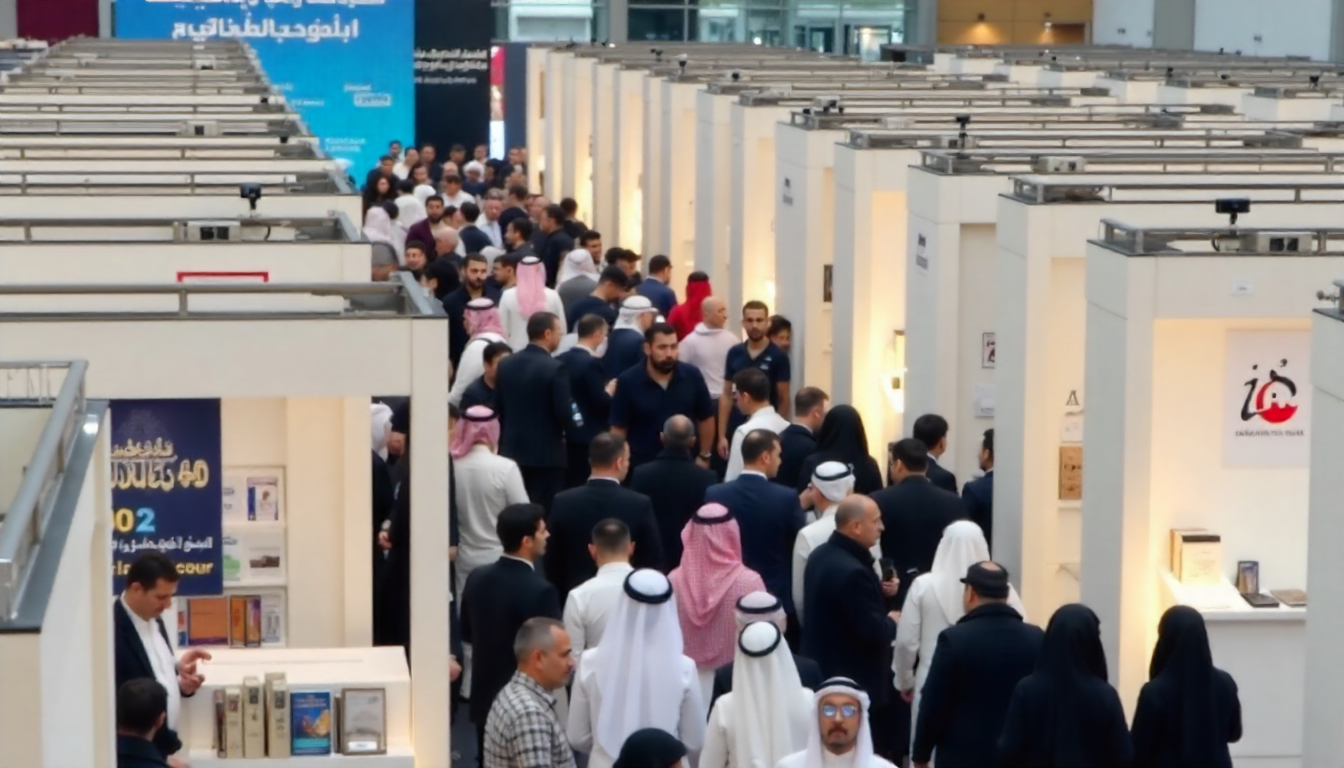
The Riyadh International Book Fair 2025, organized by the Literature, Publishing, and Translation Commission, hosted a prominent session dedicated to Arabic language education. Held on October 1, 2025, the workshop was led by Dr. Bandar Al-Ghmaiz, a professor of Applied Linguistics at King Saud University. The event drew educators, researchers, students, and policymakers from across the Middle East, Europe, Asia, and North America, reflecting the growing global interest in Arabic as both a cultural and professional language.
Saudi Arabia has increasingly positioned itself as a global hub for Arabic language promotion, aligning with its broader Vision 2030 cultural and educational initiatives. The Kingdom is focused on ensuring Arabic remains relevant, accessible, and engaging for a diverse, international audience, while simultaneously strengthening its role in diplomacy, trade, and global cultural exchange.
Historical and Cultural Significance of Arabic
Arabic is one of the oldest living languages in the world, with a rich literary, religious, and scientific heritage. It serves as the language of the Qur’an, classical poetry, historical manuscripts, and contemporary Arab media. During the workshop, Dr. Al-Ghmaiz emphasized that promoting Arabic globally is not only about preserving a language but also about fostering cross-cultural understanding and appreciation. Knowledge of Arabic provides learners with insights into the historical, cultural, and philosophical contributions of the Arab world, connecting them to centuries of intellectual and literary traditions. In addition, Arabic remains a strategic language in global business, international relations, and education, highlighting its practical relevance in modern contexts.
Global Growth of Arabic Learning
The international demand for Arabic has surged in recent years. Universities worldwide including institutions in the United States, Germany, China, South Korea, and beyond have integrated Arabic programs into their curricula, recognizing the language as essential for careers in diplomacy, international business, journalism, and translation services. Dr. Al-Ghmaiz highlighted that foreign students are increasingly motivated to learn Arabic for religious studies, cultural engagement, and professional development. He also pointed out that modern technologies, including online courses, mobile apps, and AI-based learning platforms, have dramatically expanded access, enabling learners from remote regions and non-traditional backgrounds to study Arabic effectively. This global expansion underscores the language’s growing influence and importance on the international stage.
Innovative Teaching Approaches
Modern Arabic language instruction emphasizes practicality, engagement, and cultural context. Traditional rote memorization methods are being supplemented with interactive, technology-driven teaching strategies that cater to diverse learning styles. For example, digital platforms now allow learners to practice conversational Arabic, simulate real-world scenarios, and receive immediate feedback, enhancing both fluency and comprehension. Cultural immersion is another crucial aspect of contemporary Arabic education. By engaging with Arab literature, media, music, and everyday social interactions, learners can develop a deeper understanding of linguistic nuances and contextual usage. Furthermore, blended learning models combining classroom instruction with online modules and multimedia resources help ensure learners acquire comprehensive language skills. These approaches aim to create a holistic learning experience, making Arabic accessible, engaging, and directly applicable in professional and social contexts.
Saudi Arabia’s Role in Global Arabic Education
Saudi Arabia has become a leading force in Arabic language promotion through high-quality educational institutions and global outreach initiatives. Programs at the King Salman Global Academy for Arabic Language and other specialized university centers focus on developing modern curricula, training educators, and conducting linguistic research. These initiatives ensure the consistent production of high-quality educational resources and methodologies. Saudi Arabia also organizes international workshops, conferences, and scholarship programs to attract students and educators worldwide. By doing so, the Kingdom not only teaches Arabic but also shares best practices in pedagogy, supporting the creation of a standardized global framework for Arabic education. These efforts position Saudi Arabia as both a cultural ambassador and a practical resource for global learners seeking proficiency in Arabic.
Policy and Vision Alignment
Arabic language promotion at the Riyadh International Book Fair aligns closely with Saudi Arabia’s Vision 2030, which emphasizes education, cultural preservation, and international engagement. By focusing on Arabic education, the Kingdom strengthens its cultural identity, preserves its literary heritage, and enhances its international influence. The integration of technology into Arabic teaching is central to these objectives, as it allows learners worldwide to access resources, practice effectively, and engage with the language dynamically. These efforts ensure that Arabic remains both a language of tradition and a tool for modern communication, bridging generations and geographies.
Future Directions
Looking ahead, Saudi Arabia plans to expand Arabic education through strategic partnerships with universities, cultural centers, and digital learning platforms globally. Emerging technologies, such as AI-based adaptive learning systems, intelligent tutoring, and language analytics, will enhance learning efficiency and accessibility. Dr. Al-Ghmaiz emphasized that the Kingdom’s vision is to position Arabic not only as a language of heritage but also as a dynamic global medium for communication, education, and innovation. Events like the Riyadh International Book Fair demonstrate the country’s ongoing commitment to fostering a worldwide community of Arabic learners, promoting linguistic excellence, and encouraging cultural diplomacy.
Related Blogs: https://ciovisionaries.com/articles-press-release/