
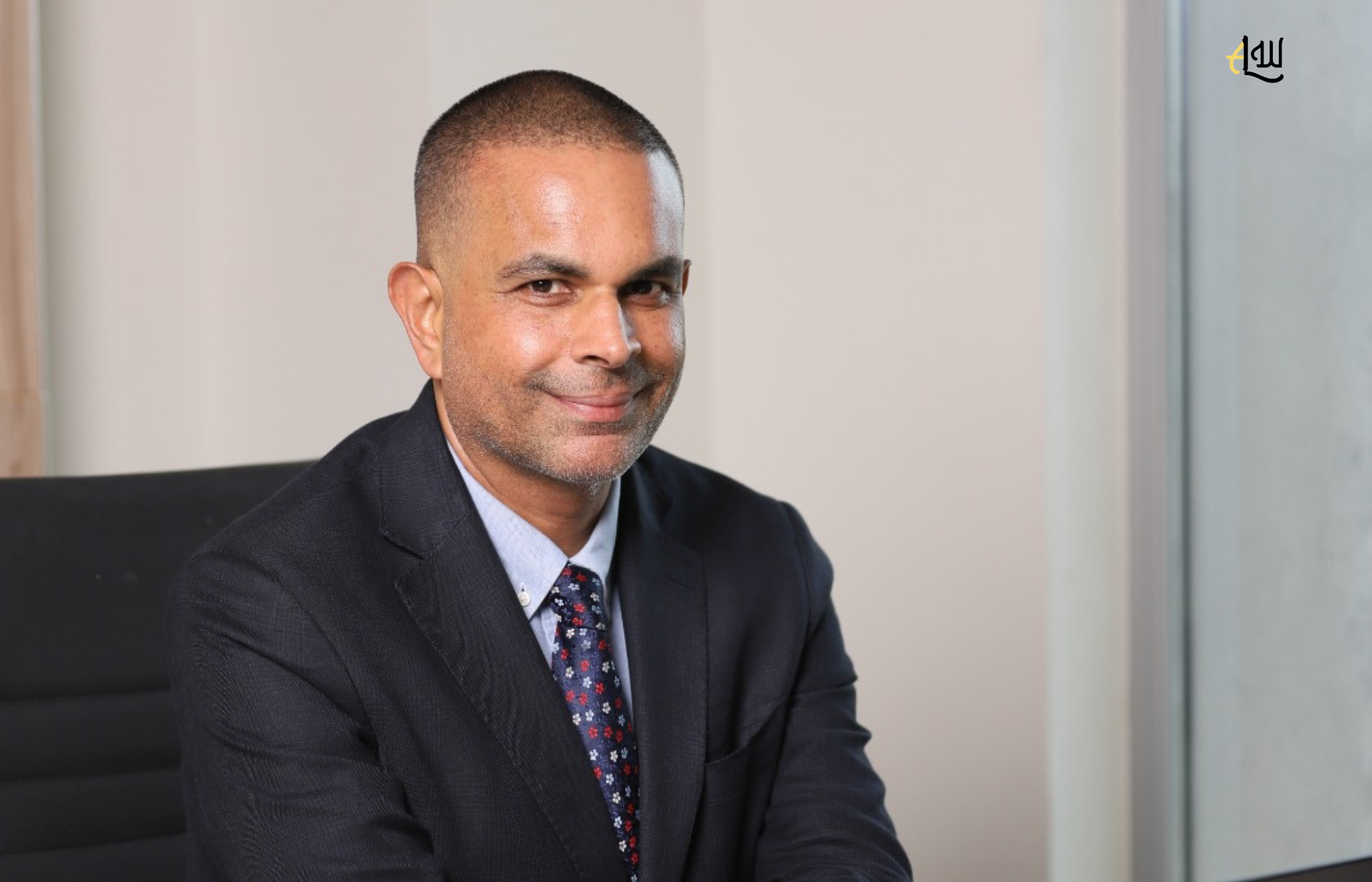
Across emerging markets, healthcare has become one of the most powerful forces shaping social stability, economic growth, and public confidence. As populations expand, expectations rise, and resources remain constrained, the challenge is no longer limited to delivering care. It is about building systems that can perform consistently, earn trust, and scale responsibly over time.
For Irfan Khan, Global CEO of Evercare Group, this challenge defines his leadership mandate. Working across diverse emerging economies, he has built his career around a central conviction: resilient healthcare systems do more than improve clinical outcomes. They strengthen communities, protect economic productivity, and uphold human dignity at moments when people are most vulnerable.
Early Lessons That Shaped a Systems Mindset
Irfan’s perspective was shaped early through direct exposure to the realities of healthcare delivery in emerging markets. He encountered families delaying treatment because of cost, hospitals receiving patients only when disease had reached advanced stages, and clinicians striving to deliver quality care under immense pressure. In these settings, access barriers often turned manageable conditions into life-altering events.
What stood out most was the ripple effect of illness. A single medical episode could destabilize a family’s finances, interrupt education, and reduce productivity across an entire household. Healthcare, Irfan observed, was deeply intertwined with economic resilience. When systems failed, the consequences extended far beyond the patient.
Over time, patterns became clear. Outcomes were not driven by clinical skill alone. They depended on system design. Governance structures, financing models, workforce capability, supply chain reliability, and community trust collectively shaped performance. Institutions that invested in ethical leadership, strong operations, staff development, and patient dignity consistently delivered better outcomes. Their success translated into broader economic confidence and local development, reinforcing Irfan’s belief that resilient healthcare grows from thoughtful system architecture.
Balancing Global Standards with Local Realities
Leading healthcare organizations across multiple regions requires constant balance. Irfan rejects the notion that global standards and local culture must compete. Instead, he views them as complementary forces.
At Evercare, global standards establish clear, non-negotiable expectations around patient safety, data integrity, clinical reliability, ethical conduct, and workforce capability. These standards provide consistency and assurance for patients, regulators, partners, and investors. They create a shared foundation of trust.
At the same time, healthcare is inherently cultural. Families approach care differently, communication styles vary, and community expectations shape how services are perceived. To address this, Evercare operates a dual-layer model. A stable core platform governs protocols, governance, digital systems, leadership development, and performance metrics across all markets. Surrounding this is a locally adaptive layer, where patient engagement, language, outreach, and service design reflect cultural realities. This structure allows Evercare to maintain consistency without sacrificing relevance. It accelerates adoption, strengthens community relationships, and fosters pride and ownership within local teams. For Irfan, this balance is essential to long-term sustainability.
Where Clinical Excellence Meets Human Experience
A defining element of Irfan’s leadership philosophy is the belief that clinical excellence and human experience must reinforce one another. Safety, reliability, and standardization are critical. Without them, systems cannot perform. But on their own, they are not enough.
Healthcare is ultimately delivered in moments of stress, uncertainty, and vulnerability. Empathy, dignity, and clear communication determine whether patients feel supported and whether caregivers remain engaged. Irfan believes systems that neglect the human dimension undermine their own clinical goals.
At the Group CEO level, this philosophy influences capital allocation, operational design, leadership selection, and long-term strategy. Investments are assessed not only for their impact on outcomes, but also for how they improve workflows, reduce friction, and support respectful environments for patients and staff. Leadership expectations reflect this balance, prioritizing individuals who combine discipline, empathy, and ethical clarity.
HumanCare X and the Language of Care
As Evercare expanded across countries, Irfan identified a subtle but significant leadership gap. Policies, training programs, and performance frameworks existed, yet frontline teams lacked a shared language to guide everyday human interactions. As scale increased, expressions of empathy and dignity risked becoming inconsistent.
HumanCare X was created to address this challenge. The platform introduces a common, human-centered language grounded in empathy, evidence, and equity. It helps teams articulate what good care looks like in human terms, not just procedural ones.
HumanCare X equips caregivers to navigate difficult conversations, guide patient journeys, and preserve dignity during high-pressure moments. It recognizes cultural differences, allowing each country to express humanity in ways that feel natural and authentic. At the same time, it unifies teams around shared behaviors that strengthen trust and care quality as the organization grows.
Ensuring Technology Serves Caregivers
Technology has the power to transform healthcare, but only when applied thoughtfully. Irfan is clear that digital transformation must begin with the people who use it daily.
At Evercare, digital initiatives start with deep engagement from clinicians, nurses, and administrators. Frontline teams help shape workflows before systems are selected, ensuring tools genuinely reduce duplication, strengthen handovers, and support better decisions. Their insights determine whether technology becomes an enabler or a burden.
Interoperability is a core principle. Integrated systems reduce administrative load, improve information flow, and enhance safety. Digital tools are evaluated on practical impact, including clinician time at the bedside, documentation burden, error reduction, and user satisfaction.
Change management receives equal attention. Leaders are trained to translate technology into everyday value, ensuring adoption feels supportive rather than imposed. Automation focuses on repetitive tasks, allowing caregivers to concentrate on empathy, complexity, and clinical judgment.
Defining High-Performance Healthcare in Emerging Markets
In resource-constrained and fast-growing environments, high-performance healthcare carries a specific meaning for Irfan. It is defined by consistency, safety, efficiency, affordability, and trust.
Reliable clinical systems reduce variation and ensure patients receive the same standard of care across locations. Operational discipline directs limited resources to areas of greatest impact, supporting smoother patient flow, transparent pricing, and responsible use of supplies.
Human experience remains central. Patients often carry financial anxiety and rely heavily on communication, clarity, and dignity during care. Systems that address these realities build stronger engagement and long-term loyalty. Talent development completes the model, ensuring teams can operate confidently within standardized systems that scale sustainably.
Why Emerging Markets Are the Next Innovation Frontier
Irfan firmly believes emerging markets are not lagging behind. They are the next proving ground for global healthcare innovation.
Rapid population growth, rising expectations, and financial constraints demand solutions that are efficient, scalable, and practical. These environments test systems across diverse disease profiles, payer structures, and regulatory contexts. Success here demonstrates adaptability and resilience.
With fewer legacy constraints, emerging markets can adopt modern technologies, distributed care models, and new workforce approaches more quickly. Combined with globally minded, digitally fluent talent driven by social purpose, these conditions foster innovation with relevance far beyond local borders.
Building Trust Across Borders
Leading geographically dispersed teams requires intentional trust-building. For Irfan, alignment begins with clarity of purpose. When people understand how their work contributes to community outcomes, cohesion strengthens naturally.
Consistent governance and common standards reinforce fairness across markets, while empowered local leadership enables faster decisions and stronger ownership. Regular operating rhythms, clinical quality reviews, and leadership forums maintain connection and transparency.
Cultural respect remains essential. Spending time in hospitals, listening to frontline teams, and engaging with local realities reinforces credibility and trust. Leadership development and succession planning then secure long-term unity across the Group.
Developing the Next Generation of Healthcare Leaders
Leadership development is a recurring focus in Irfan’s journey. He prioritizes integrity, courage, and the ability to uphold standards under pressure. Systems thinking is essential, enabling leaders to navigate clinical, operational, financial, and digital interdependencies.
Human intelligence matters equally. Leaders must listen deeply, communicate clearly, and engage teams with empathy. Execution discipline ensures vision consistently reaches the frontline. Learning agility and cultural awareness prepare leaders to operate confidently across diverse environments.
Purpose That Sustains Leadership
Despite the demands of his role, Irfan remains grounded in purpose. Every decision ultimately affects a patient seeking care, a clinician under pressure, or a community looking for stability.
Building institutions, leadership pipelines, and ethical cultures creates value that extends beyond individual tenures. Motivation also comes from people. The commitment of clinicians, operators, and emerging leaders reinforces accountability and momentum.
For Irfan Khan, healthcare is not merely an industry. It is a foundation for social well-being, economic productivity, and human dignity, and leading that mission across emerging markets remains both a responsibility and a privilege.
The Path Ahead for Resilient and Equitable Healthcare
Looking toward 2026 and beyond, Irfan sees healthcare advancing through system-level redesign. Platform-based models with shared digital infrastructure and standardized operating systems will enable efficient scale.
Economic models will increasingly reward outcomes, efficiency, and continuity of care. Workforce transformation, modern training pathways, and leadership development will shape performance more than any single technology. Equity will become embedded in access, pricing, and workflow design, while governance and ethical clarity underpin trust.
Related Blogs : https://arabworldleaders.com/category/articles/