
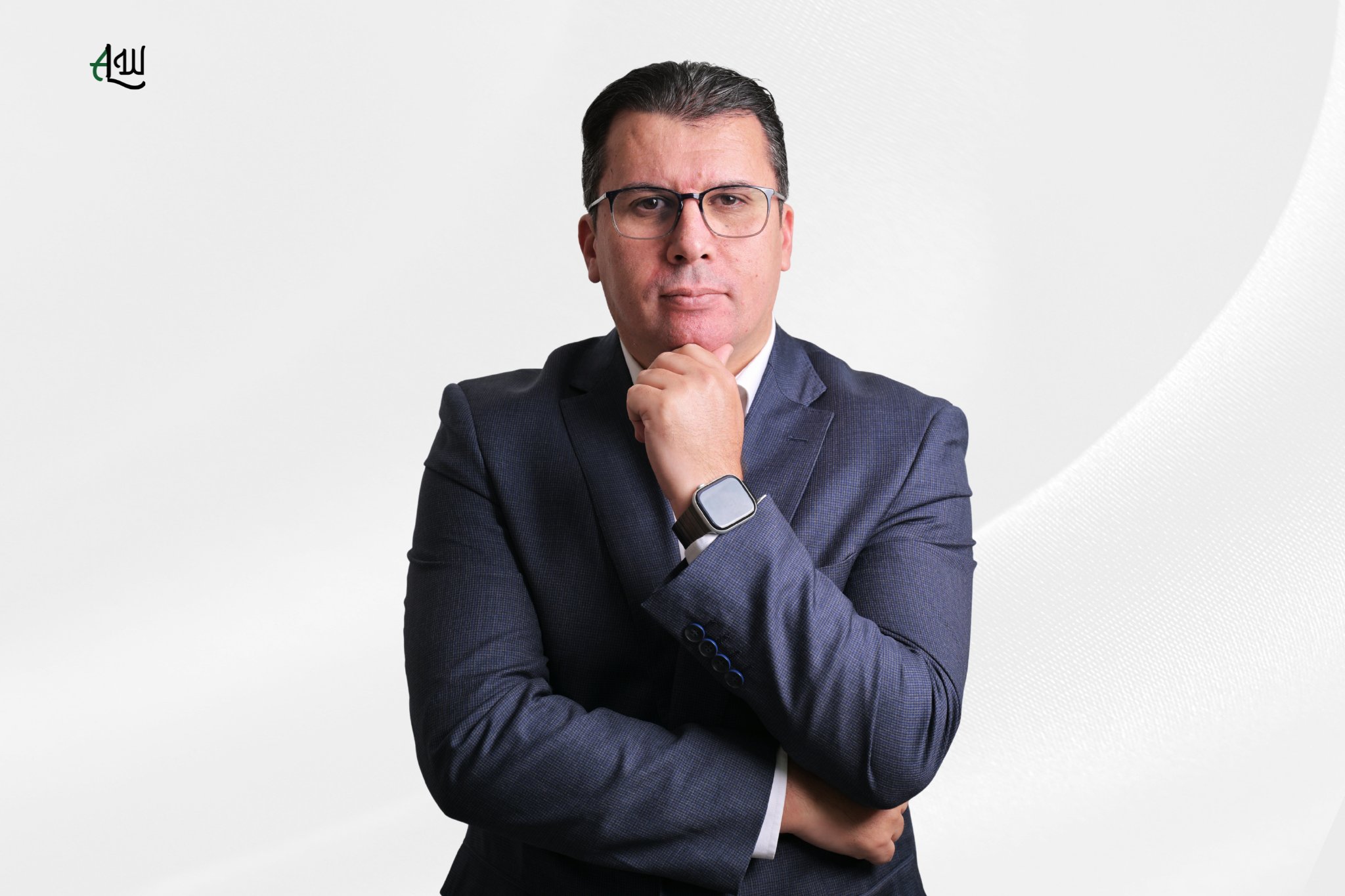
As organizations worldwide accelerate toward AI-powered ecosystems and digitally driven economies, leadership in technology is no longer defined solely by technical expertise. The modern digital era demands visionary leaders capable of aligning innovation with strategy, people, and long-term business value. Among the leaders shaping this transformation across the Middle East and global telecom landscape is Mohammed A Adlani a respected transformation executive known for driving enterprise modernization, AI adoption, and customer-centric digital evolution across international markets.
With more than two decades of experience spanning Europe, Africa, and the GCC, Mohammed has built a reputation for leading complex transformation programs that bridge technology, operations, and strategic business outcomes. Having worked with globally recognized organizations including Orange, Accenture, and STC, his leadership journey reflects a rare combination of technical depth, global exposure, and cultural intelligence.
At a time when Saudi Arabia’s Vision 2030 is accelerating digital transformation across industries, Mohammed continues to emerge as one of the influential voices shaping the region’s future digital economy.
A Leadership Philosophy Built Across Global Markets
Operating across multiple continents exposed Mohammed to vastly different business environments, customer expectations, and organizational cultures. These experiences fundamentally shaped his leadership philosophy and approach toward digital transformation.
Throughout his journey, he realized that while technology may be universal, transformation itself remains deeply connected to people, culture, and organizational behavior. Strategies that succeed in one region cannot simply be replicated elsewhere without understanding local dynamics and workforce realities.
This understanding became central to his leadership style.
Rather than approaching transformation purely as a technology initiative, Mohammed believes successful modernization requires aligning digital strategy with cultural readiness, leadership vision, and organizational adaptability.
His doctoral research at UCL further reflects this perspective, focusing on how culturally intelligent and inspirational leadership models can accelerate transformation outcomes within Saudi Arabia’s rapidly evolving digital landscape.
According to Mohammed, meaningful transformation begins with understanding people before implementing technology.
Supporting Saudi Arabia’s Vision 2030 Through Technology
As Saudi Arabia rapidly evolves into a global technology and innovation hub, Mohammed views digital transformation as one of the Kingdom’s most important economic enablers.
However, he emphasizes that technology itself is not the final objective. Instead, it serves as the foundation for broader national goals including economic diversification, innovation, productivity, and global competitiveness.
Saudi Arabia’s ICT sector has already emerged as one of the fastest-growing technology markets in the MENA region, supported by large-scale investments in AI, cloud infrastructure, cybersecurity, and smart technologies.
What stands out most to Mohammed is the combination of ambitious leadership, strong national vision, and a young digitally connected population eager to embrace innovation. He believes the real opportunity now lies in converting digital readiness into measurable business value and sustainable economic impact.
Transforming Enterprises at Scale
Throughout his career, Mohammed has led enterprise-scale transformation initiatives serving millions of customers while navigating highly complex operational ecosystems.
One of the biggest challenges in digital transformation, according to him, is creating alignment across people, processes, and technology.
Modernizing legacy infrastructure while maintaining uninterrupted services requires more than technical execution. It demands strategic leadership capable of driving cultural evolution and operational agility simultaneously.
Mohammed identifies three critical factors that consistently define transformation success:
- Cross-functional alignment around a unified vision
- Agile and customer-centric organizational culture
- Scalable data and AI capabilities
He strongly believes that many transformation programs fail not because of weak technology, but because organizations underestimate the human side of change. Sustainable transformation, in his view, happens when innovation becomes embedded into an organization’s operating model rather than treated as a temporary initiative.
Modernizing Telecom for the Digital Economy
As telecom companies increasingly evolve beyond traditional connectivity services, Mohammed sees OSS/BSS modernization as one of the most critical priorities shaping the industry’s future.
Legacy systems often limit agility, slow down innovation, and prevent organizations from delivering seamless digital experiences expected by modern consumers.
By adopting cloud-native, API-driven, and microservices-based architectures, telecom operators can dramatically improve operational efficiency, accelerate service deployment, and unlock entirely new business opportunities.
He believes OSS/BSS modernization is no longer simply an IT upgrade; it directly influences customer experience, competitiveness, and long-term growth potential.
Why Artificial Intelligence Will Reshape the Industry
Among all emerging technologies, Mohammed believes Artificial Intelligence will create the most significant long-term impact across telecom and enterprise ecosystems.
While cloud computing enables scalability and IoT generates vast amounts of data, AI transforms that data into actionable intelligence and business value.
He sees AI reshaping industries through:
- Predictive analytics and intelligent automation
- Hyper-personalized customer experiences
- AI-driven operational efficiency
- Smarter decision-making systems
- New revenue opportunities powered by AI services
Saudi Arabia’s aggressive AI strategy further reinforces the Kingdom’s ambition to become a leading global AI powerhouse. According to Mohammed, organizations that become AI-native today will define tomorrow’s competitive landscape.
Building AI-Ready Organizations
As enterprises accelerate AI adoption, Mohammed believes technology implementation alone is not enough to ensure success.
True AI transformation depends on three foundational pillars:
- Data Readiness
Organizations must establish strong governance frameworks, scalable architectures, and high-quality data ecosystems before implementing enterprise AI initiatives.
- Talent and Workforce Development
Digital transformation is ultimately powered by people. Mohammed emphasizes the importance of continuously upskilling teams while attracting future-ready digital talent capable of driving innovation.
- Executive Alignment
AI transformation must be driven strategically at the leadership level rather than isolated within IT departments. Clear executive sponsorship and organizational alignment remain essential for long-term adoption.
He believes customer-centric innovation naturally emerges when leadership, talent, and technology ecosystems operate together cohesively.
The Growing Importance of Tech Sovereignty
One of the most important shifts shaping the future digital economy is the rise of tech sovereignty. In today’s increasingly complex geopolitical environment, nations and enterprises are placing greater emphasis on controlling critical digital infrastructure, data ecosystems, and strategic technologies.
He believes this movement is no longer simply about operational independence. It has become a matter of long-term economic resilience and national competitiveness.
For enterprises, tech sovereignty includes:
- Developing local digital capabilities
- Investing in regional AI talent
- Strengthening data residency and cloud security strategies
- Reducing dependency on single external technology providers
Saudi Arabia’s investments in AI, robotics, semiconductors, and advanced infrastructure reflect its broader ambition to establish long-term technological leadership.
Organizations that proactively embrace this transition will be significantly better positioned for future resilience and growth.
Bridging Strategy and Technology Execution
One of Mohammed’s defining leadership strengths is his ability to bridge the gap between business strategy and technology execution.
He believes successful digital transformation requires shared ownership between executive leadership and technology teams.
Rather than positioning engineers solely as technical implementers, Mohammed encourages organizations to empower them as strategic contributors directly connected to business outcomes.
He also advocates for collaborative environments were business leaders and technology teams co-design solutions together.
Closing the gap between strategy and execution, according to Mohammed, requires both structural alignment and inspirational leadership.
Leading High-Performance Global Teams
Having worked extensively across Europe, Africa, and the Middle East, Mohammed has developed a leadership approach centered around inclusivity, empowerment, and cultural intelligence.
He believes high-performing organizations are built through:
- Psychological safety
- Cultural awareness
- Shared purpose
- Trust-driven leadership
Rather than relying on assumptions, he encourages leaders to remain adaptable, curious, and open-minded when managing global teams.
Transformation leadership, in his view, is ultimately about creating environments where people feel inspired to innovate, collaborate, and contribute toward meaningful collective goals.
Organizations achieve extraordinary outcomes when employees connect personal purposes with organizational missions.
The Evolution of Telecom into Digital Ecosystems
Mohammed predicts the next generation of telecom companies will evolve far beyond traditional infrastructure providers.
Instead, telecom operators are rapidly transforming into digital ecosystem orchestrators capable of delivering:
- Digital marketplaces
- Embedded financial platforms
- Smart city ecosystems
- AI-powered enterprise services
- Advanced health-tech solutions
He believes telecom organizations possess one of the industry’s most valuable assets: data.
Companies that successfully combine data intelligence, customer-centric innovation, and strategic partnerships will emerge as future regional digital leaders. The future belongs to telecom operators capable of combining technological agility with platform-driven business models.
Governance as a Driver of Sustainable Innovation
As a contributor to advisory and governance initiatives, Mohammed strongly advocates for governance structures that enable responsible and scalable innovation.
He believes governance is often misunderstood as a limitation to innovation when, in reality, it provides the structure necessary for sustainable transformation. Strong advisory ecosystems help organizations avoid blind spots by introducing diverse perspectives, independent thinking, and cross-industry insights.
In today’s rapidly evolving digital environment, governance and strategic advisory collaboration have become significant competitive advantages.
Shaping the Future of Digital Transformation in the Middle East
Looking ahead, Mohammed identifies several major trends that will define the future of telecom and digital transformation across the Middle East:
- AI-native infrastructure and intelligent automation
- Digital sovereignty and localized ecosystems
- Platform economy business models
- Sustainable and green digital transformation initiatives
He believes the Middle East and Saudi Arabia is uniquely positioned to lead globally across these areas due to its ambitious vision, investment capabilities, youthful population, and accelerating innovation momentum.
The region is no longer simply following global transformation trends. It is actively helping shape them.
A Human-Centered Vision for the Digital Future
As Mohammed continues progressing toward broader CIO and CTO leadership responsibilities, his long-term vision remains focused on building organizations that are technologically advanced while remaining deeply human-centered.
He believes the enterprises of tomorrow will not be defined solely by sophisticated AI systems or digital platforms, but by how effectively they use technology to empower people, strengthen trust, and create meaningful societal impact.
His leadership philosophy reflects a balance rarely achieved in today’s digital economy — the integration of innovation, strategy, ethics, and humanity.
At a time when organizations worldwide are racing to adapt to rapid disruption, Mohammed A Adlani continues to stand out as a leader who understands that sustainable transformation is ultimately driven not only by technology, but by visionary leadership capable of aligning people, purpose, and progress.
Through his global expertise, strategic mindset, and commitment to future-ready enterprises, he is helping shape the next chapter of intelligent digital transformation across the Middle East and beyond.
Related Blogs: https://arabworldleaders.com/category/articles/