
The End of One-Size-Fits-All Medicine
The future of healthcare is undergoing one of the most profound transformations in modern history. For decades, medicine largely followed a generalized treatment model in which patients diagnosed with similar illnesses often received nearly identical medications, therapies, and treatment pathways. This standardized approach played a major role in improving global public health outcomes, reducing mortality rates, and helping healthcare systems efficiently scale medical treatment across large populations. It enabled hospitals and physicians to build repeatable clinical practices, establish universal treatment standards, and provide care to millions of people in a relatively organized manner. In many ways, this model helped shape the foundations of modern medicine and supported some of humanity’s most important healthcare achievements.
However, despite these successes, a major limitation gradually became impossible to ignore. Human beings are biologically unique, and diseases rarely behave in exactly the same way in every patient. A treatment that works exceptionally well for one person may prove ineffective or even harmful for another. Similarly, identical symptoms may emerge from entirely different biological mechanisms beneath the surface. This growing recognition has forced scientists, healthcare leaders, pharmaceutical companies, and physicians to rethink long-standing assumptions about medical care and disease management.
Traditional medicine evolved during an era when scientific understanding of human biology remained comparatively limited. Physicians primarily relied on visible symptoms, physical examinations, laboratory testing, clinical observations, and broad population studies to guide medical decisions. Although this system proved highly effective for emergency medicine, infectious diseases, surgeries, and acute care interventions, it often struggled to address chronic illnesses where patient variability plays a much larger role. Conditions such as diabetes, cardiovascular disease, obesity, autoimmune disorders, neurological illnesses, and cancer increasingly exposed the limitations of generalized healthcare.
For example, two patients diagnosed with diabetes may exhibit dramatically different responses to treatment despite sharing the same diagnosis. One patient may effectively manage blood sugar levels through dietary adjustments and medication, while another may require highly specialized interventions due to genetic predispositions, metabolic variations, or lifestyle-related complications. Similarly, two patients suffering from depression may respond entirely differently to the same antidepressant medication. One may experience rapid improvement, while the other may suffer side effects or no measurable progress at all. These differences illustrate why generalized treatment models increasingly struggle to meet the realities of modern healthcare.
Two people diagnosed with the same condition may experience dramatically different outcomes. One patient may respond exceptionally well to a medication, while another suffers severe side effects or sees little improvement. Similarly, diseases that appear identical clinically may stem from completely different biological mechanisms beneath the surface. In cancer care, for example, two tumors appearing nearly identical through imaging may possess vastly different genetic mutations, immune-system interactions, and biological drivers influencing treatment effectiveness. Such inconsistencies have gradually pushed healthcare systems toward a new medical paradigm known as precision medicine.
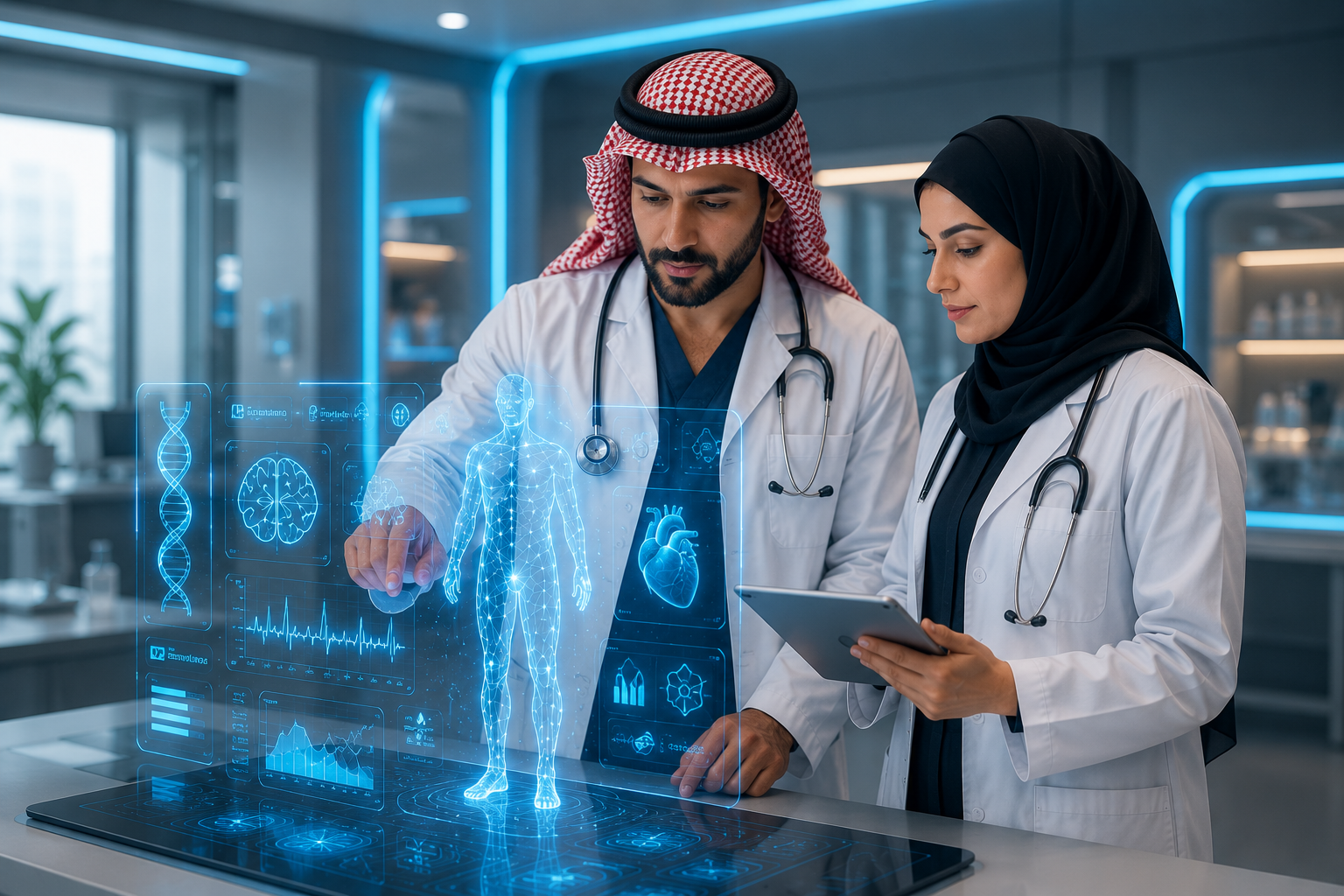
Precision medicine seeks to personalize treatment according to a patient’s genetics, biomarkers, lifestyle, environmental influences, behavioral patterns, and medical history. Rather than treating diseases solely through standardized frameworks based on population averages, physicians increasingly focus on understanding the biological uniqueness of every patient. This approach recognizes that healthcare should not revolve around generalized assumptions but instead be designed around the specific needs and risks of each individual person.
In 2026, precision medicine is no longer merely an emerging scientific theory discussed within research laboratories or medical conferences. It is rapidly becoming a defining force shaping the future of global healthcare. Across the world, hospitals increasingly integrate genomic testing into patient care, healthcare systems deploy predictive analytics to identify disease risks earlier, and pharmaceutical companies invest heavily in personalized treatment development. Governments are also beginning to recognize the importance of precision healthcare as rising healthcare costs and chronic disease burdens place increasing pressure on national medical systems.
Powered by artificial intelligence, predictive diagnostics, genomics, biotechnology, wearable technologies, cloud computing, and increasingly sophisticated health-data systems, healthcare is gradually moving away from “one-size-fits-all” medicine toward individualized care capable of delivering more effective outcomes. This transformation promises to reduce unnecessary treatments, lower healthcare costs, improve medication effectiveness, minimize side effects, and enable earlier interventions before diseases progress to dangerous stages. The transition represents more than technological progress.
It signals a structural reinvention of healthcare itself. Medicine is increasingly shifting from reactive treatment toward predictive prevention, from generalized averages toward biological precision, and from hospital-centered care toward continuous personalized health management. The healthcare systems of the future may look dramatically different from those of the past, fundamentally reshaping how diseases are diagnosed, prevented, and treated across the world.
Why Traditional Healthcare Is Reaching Its Breaking Point
Modern medicine has delivered extraordinary breakthroughs over the last century. Vaccines eradicated deadly infectious diseases, antibiotics transformed disease management, advanced surgical procedures dramatically improved survival rates, and pharmaceutical innovation enabled physicians to treat previously fatal illnesses. Medical science extended life expectancy, reduced infant mortality, and helped millions of people survive conditions that would once have been considered untreatable.
Yet despite these remarkable achievements, healthcare systems around the world now face mounting pressure. Aging populations, physician shortages, workforce burnout, rising healthcare expenditures, increasing chronic disease prevalence, and unequal healthcare access are placing enormous strain on traditional healthcare systems. Governments increasingly struggle to balance healthcare spending with economic sustainability while hospitals face growing demand for services.
Chronic diseases—including diabetes, cardiovascular illness, neurological disorders, autoimmune diseases, obesity, respiratory illnesses, kidney disease, and cancer—continue to rise globally. Unlike infectious diseases that may often be cured through short-term interventions, chronic illnesses frequently require lifelong monitoring, continuous treatment adjustments, and individualized care strategies. This growing disease burden has exposed major weaknesses within generalized healthcare models.
Traditional medicine largely depends on averages. Clinical trials determine which treatments work best for the majority of patients, and physicians broadly apply those findings across populations. While this model undoubtedly helped standardize medical care and improve outcomes overall, averages rarely capture biological complexity. A treatment statistically effective for large groups does not necessarily guarantee success for every patient.
For instance, two patients with hypertension may possess entirely different genetic predispositions, metabolic responses, stress levels, dietary habits, sleep quality, environmental exposures, and medication tolerances. One patient may respond exceptionally well to a standard blood-pressure medication, while another experiences severe side effects or limited improvement. Yet both patients might initially receive nearly identical treatment plans.
Cancer reveals this limitation even more clearly. Historically, doctors classified cancers primarily according to organ type breast cancer, lung cancer, colon cancer, prostate cancer, and so forth. However, scientific research increasingly demonstrates that tumors vary enormously at molecular and genetic levels. Two patients diagnosed with the same cancer may possess completely different mutations, biological drivers, immune responses, and treatment sensitivities. This realization is fundamentally changing medicine.
Doctors increasingly ask not:
“What treatment works best for most patients?”
But instead:
“What treatment is most likely to work for this specific patient?”
That subtle yet transformative shift may redefine healthcare for generations to come.
Artificial Intelligence Is Becoming the Brain Behind Precision Medicine
The rise of precision medicine would be nearly impossible without artificial intelligence. Modern healthcare systems generate extraordinary amounts of information every single day. Electronic health records, blood-test reports, pathology data, imaging scans, physician notes, insurance claims, prescription histories, wearable-device information, genomic sequencing results, and real-time monitoring technologies collectively produce a healthcare data ecosystem of staggering complexity. While this enormous volume of information holds valuable insights, it also creates a major challenge: no human physician alone can realistically process millions of interconnected variables for every patient in real time.
This is where artificial intelligence is fundamentally transforming healthcare. AI systems excel at recognizing patterns across massive datasets, identifying hidden relationships, analyzing complex medical signals, and generating predictive insights capable of supporting physician decisions. Rather than replacing doctors, artificial intelligence increasingly acts as an intelligence layer that enhances clinical expertise and helps physicians make faster, more informed decisions.
Healthcare providers now use AI to predict disease risks earlier, improve diagnostic accuracy, recommend personalized treatments, identify medication interactions, forecast complications, optimize patient management, and even improve hospital operational efficiency. Machine-learning systems continuously improve over time as they analyze larger patient populations and more diverse healthcare outcomes, making medical decision-making increasingly data driven.
In radiology, for example, AI-powered imaging systems are becoming remarkably effective at detecting subtle abnormalities that human observation alone may occasionally miss. Tiny tumors, cardiovascular abnormalities, retinal deterioration, neurological changes, and early signs of disease progression are increasingly being identified at earlier stages. Early detection frequently determines survival rates, making AI-assisted diagnostics one of the most transformative areas of modern medicine.
Machine-learning systems are also improving predictive healthcare dramatically. AI algorithms can analyze blood pressure fluctuations, cholesterol patterns, sleep quality, exercise behavior, wearable-device signals, medication adherence, inflammatory markers, family histories, and behavioral risk factors to estimate cardiovascular risks years before a heart attack occurs. Instead of waiting for symptoms to emerge, physicians increasingly gain opportunities to intervene proactively and reduce future risks.
AI is also helping solve one of healthcare’s greatest inefficiencies: fragmented medical information. Patient data often exists across disconnected systems, hospitals, specialists, insurers, laboratories, and wearable devices. AI platforms increasingly integrate these fragmented sources into unified patient insights, enabling more comprehensive treatment strategies. This transition marks a major philosophical shift in healthcare.
Medicine is gradually moving away from reactive intervention and toward predictive prevention. Instead of waiting for patients to become seriously ill, healthcare systems increasingly aim to anticipate disease, intervene earlier, and personalize treatment according to individual biological risks. The long-term implications of this shift may redefine healthcare economics, reduce hospitalization rates, and significantly improve patient outcomes worldwide.
Predictive Diagnostics: Detecting Disease Before Symptoms Begin
One of the most powerful developments within precision medicine involves predictive diagnostics. Historically, healthcare systems largely operated reactively. Most patients seek medical attention only after symptoms become severe enough to interfere with daily life. Unfortunately, by the time visible symptoms emerge, many diseases may already have progressed substantially, limiting treatment effectiveness and increasing long-term healthcare costs.
Conditions such as cancer, diabetes, kidney disease, cardiovascular illness, Alzheimer’s disease, autoimmune disorders, neurological illnesses, and metabolic diseases often develop silently over many years. Symptoms frequently emerge only after significant biological damage has already occurred. This delayed detection has long been one of healthcare’s greatest limitations. Predictive diagnostics seeks to fundamentally change this timeline.
By combining artificial intelligence, genomic analysis, laboratory testing, biomarkers, behavioral signals, family histories, electronic medical records, and real-time monitoring technologies, healthcare systems increasingly identify disease risks before symptoms even begin. Rather than merely reacting to illness, medicine is gradually becoming predictive.
For example, AI-enhanced imaging systems increasingly help radiologists identify microscopic tumors and subtle abnormalities at earlier stages than previously possible. Detecting cancer earlier often dramatically improves survival outcomes while reducing treatment intensity and healthcare costs. Similarly, predictive cardiovascular models can estimate heart attack or stroke risks years in advance by evaluating individualized risk patterns.
Neurology is another area experiencing major transformation. Diseases like Alzheimer’s and Parkinson’s often remain undiagnosed until symptoms become difficult to reverse. AI-assisted neurological imaging and biomarker analysis increasingly help researchers identify cognitive decline years before severe memory loss occurs, potentially enabling earlier interventions capable of slowing disease progression.
Diabetes prevention is also becoming more precise. Rather than diagnosing diabetes only after blood sugar reaches dangerous levels, predictive analytics can identify metabolic dysfunction earlier by analyzing insulin sensitivity, nutrition patterns, sleep behavior, genetics, stress indicators, and physical activity trends. The implications are profound. Earlier diagnosis frequently determines survival.
Earlier intervention often means lower treatment costs, fewer complications, shorter hospital stays, and dramatically improved quality of life. Predictive diagnostics may eventually shift healthcare away from expensive late-stage treatment toward affordable prevention and long-term health optimization. Healthcare may increasingly focus not merely on treating illness but preventing it entirely.
Personalized Cancer Treatment Is Leading the Revolution
Cancer has become one of the strongest examples of precision medicine in practice. Historically, cancer treatment often relied heavily on chemotherapy, radiation, and generalized treatment protocols that attacked both healthy and cancerous cells simultaneously. Although these treatments undoubtedly saved millions of lives, they frequently caused severe side effects and produced inconsistent outcomes between patients.
Traditional chemotherapy often struggled because cancers that appeared similar clinically could behave very differently biologically. Tumors located in the same organ frequently possess entirely different genetic mutations, molecular drivers, immune-system responses, and treatment sensitivities. This complexity increasingly pushed oncologists toward more personalized treatment approaches.
Precision oncology is fundamentally transforming this model. Rather than treating cancer solely according to tumor location, physicians increasingly study tumors at molecular and genetic levels. Genomic sequencing now enables doctors to identify mutations responsible for tumor growth and evaluate which therapies are most likely to succeed for a specific patient.
AI systems help interpret these highly complex biological datasets. Because cancer biology generates enormous amounts of genomic information, AI increasingly helps oncologists identify treatment opportunities that may otherwise remain hidden. These technologies can recommend targeted therapies, predict treatment effectiveness, estimate recurrence risks, and even evaluate which patients may benefit most from immunotherapy.
Targeted therapies increasingly replace generalized treatment strategies. Instead of broad-spectrum chemotherapy attacking healthy tissue alongside cancerous cells, patients increasingly receive highly specialized medications designed to attack specific biological pathways driving disease progression. This improves effectiveness while often reducing harmful side effects.
Immunotherapy is also benefiting significantly from personalized medicine. AI systems increasingly predict which patients are most likely to respond positively to immune-based treatments, helping reduce failed interventions and unnecessary costs. Liquid biopsies blood tests capable of detecting microscopic traces of tumor DNA are also expanding rapidly and may eventually revolutionize early cancer detection. The implications are extraordinary.
Cancer may increasingly evolve from a fatal disease into a manageable long-term condition for millions of patients worldwide. While challenges remain, precision oncology demonstrates how personalized medicine could fundamentally reshape healthcare outcomes for future generations.
Precision Medicine Beyond Cancer
Although oncology receives substantial attention in discussions surrounding precision medicine, personalized healthcare is rapidly transforming many other medical specialties. Healthcare leaders increasingly recognize that nearly every major disease category contains biological variability that generalized treatment approaches often fail to address. As a result, precision medicine is beginning to reshape cardiovascular care, diabetes management, neurology, mental health, autoimmune diseases, rare disorders, respiratory illness, and even preventive medicine itself.
Cardiovascular Disease
Heart disease remains one of the leading causes of mortality worldwide, responsible for millions of deaths each year. Historically, cardiovascular care relied heavily on generalized risk assessments based on age, cholesterol levels, smoking status, family history, and blood pressure. While these indicators remain important, they often fail to capture the full complexity of cardiovascular risk at the individual level.
Precision medicine enables physicians to evaluate cardiovascular risks through a much broader lens. Genetic predispositions, inflammation markers, metabolic activity, sleep quality, wearable monitoring data, stress exposure, dietary patterns, physical activity levels, and real-time heart-rate variability increasingly contribute to more individualized risk assessment.
AI-powered predictive systems now help identify patients who may face elevated heart attack or stroke risks long before dangerous symptoms appear. For example, wearable devices capable of continuously monitoring heart rhythms increasingly help detect irregularities such as atrial fibrillation before major cardiac events occur. Early detection creates opportunities for preventive interventions, potentially saving millions of lives while reducing long-term healthcare costs.
Rather than waiting for emergencies, physicians increasingly intervene earlier through highly personalized prevention strategies. Some patients may require medication adjustments, while others benefit more from nutrition changes, stress management programs, sleep improvements, or targeted exercise regimens designed according to their unique physiology.
Diabetes Management
Diabetes care is becoming dramatically more individualized as precision medicine technologies mature. Traditionally, diabetic treatment often relied on generalized dietary guidelines, insulin recommendations, and medication protocols. However, doctors increasingly recognize that diabetes affects patients differently based on metabolism, genetics, hormone regulation, gut microbiome composition, and lifestyle behaviors.
AI-powered systems now analyze glucose trends, sleep quality, meal timing, metabolic responses, exercise behaviors, stress patterns, and medication adherence to create personalized diabetes-management plans. Rather than offering standardized recommendations, healthcare systems increasingly tailor interventions according to individual metabolic needs.
Continuous glucose monitoring technologies are also transforming care. Modern wearable glucose sensors now provide real-time blood sugar monitoring throughout the day, allowing physicians and patients to better understand how nutrition, exercise, stress, and sleep influence glucose fluctuations. This deeper visibility enables more accurate interventions while reducing complications associated with poor disease management.
Precision diabetes care also increasingly focuses on prevention. Rather than waiting until diabetes becomes severe, predictive analytics increasingly identify high-risk individuals years before diagnosis. Earlier intervention through nutrition planning, weight management, metabolic monitoring, and personalized prevention programs may significantly reduce disease prevalence over time.
Neurological Disorders
Neurological diseases remain among medicine’s greatest challenges because many conditions are difficult to detect until substantial damage has already occurred. Diseases such as Alzheimer’s, Parkinson’s, dementia, epilepsy, and multiple sclerosis frequently develop gradually over long periods before symptoms become obvious.
Traditional diagnosis often occurs after cognitive decline becomes severe, limiting treatment effectiveness. Precision medicine aims to fundamentally improve this reality. AI-assisted brain imaging, biomarker analysis, genomic testing, and predictive neurological models increasingly identify subtle biological warning signs years before severe symptoms emerge. Researchers increasingly believe that earlier intervention may significantly slow disease progression and improve quality of life.
For example, Alzheimer’s disease may eventually become detectable long before major memory loss occurs. Researchers increasingly analyze brain proteins, inflammation patterns, genetic risk factors, and imaging biomarkers capable of identifying elevated dementia risk during much earlier stages.
Personalized neurology also improves treatment effectiveness. Patients suffering from neurological disorders often respond differently to medications. Precision approaches increasingly help physicians determine which therapies may be most effective while minimizing harmful side effects.
Mental Health
Mental healthcare may ultimately experience one of the largest transformations through precision medicine. Psychiatric treatment historically relied heavily on trial-and-error medication prescribing. Patients suffering from anxiety, depression, bipolar disorder, PTSD, schizophrenia, or ADHD often spend months or even years experimenting with medications before finding an effective treatment plan.
This process can be emotionally exhausting and medically inefficient. Precision psychiatry seeks to personalize treatment according to genetics, neurobiology, biomarkers, behavioral analysis, environmental influences, sleep patterns, digital health signals, and even brain-imaging data. Rather than relying solely on symptom observation, mental healthcare increasingly becomes biologically informed.
AI systems increasingly help physicians predict which antidepressants, therapies, or interventions are most likely to work for specific individuals. This may dramatically shorten treatment timelines while reducing side effects and improving long-term mental health outcomes. Digital behavioral analysis also plays an increasingly important role.
Smartphones, wearable devices, speech analysis, sleep monitoring, and behavioral data increasingly help clinicians detect early warning signs of anxiety, depression, or cognitive decline before crises emerge. The broader implication is transformative. Mental healthcare may gradually shift from reactive crisis management toward continuous emotional health monitoring and personalized psychological care.
The Role of Genomics in Personalized Treatment
At the center of precision medicine lies genomics the study of genes and their influence on health, disease risk, metabolism, and treatment response. Genes strongly influence disease susceptibility, medication effectiveness, immune-system function, biological aging, and even behavioral predispositions.
Historically, genomic testing remained prohibitively expensive and limited primarily to research institutions. However, the cost of sequencing human DNA has fallen dramatically over the past decade, making personalized biological analysis increasingly accessible to hospitals and healthcare systems worldwide.
Doctors increasingly use genetic information to predict disease risks, personalize therapies, improve medication safety, and optimize treatment strategies. For example, some patients naturally metabolize medications much faster or slower than others due to genetic differences. A medication dosage considered safe for one patient may prove ineffective or dangerous for another. Understanding these genetic differences increasingly helps doctors prescribe treatments more accurately.
This emerging field, known as pharmacogenomics, represents one of the most promising applications of precision medicine. Rather than relying on trial and error, pharmacogenomics helps physicians determine how individual patients metabolize medications differently. This reduces adverse drug reactions, improves treatment effectiveness, and minimizes unnecessary experimentation with prescriptions.
Genomic medicine also increasingly improves disease prevention. Doctors may eventually identify elevated risks for heart disease, cancer, diabetes, Alzheimer’s disease, and rare genetic disorders decades before symptoms emerge. Such insights create opportunities for highly personalized prevention strategies capable of improving long-term outcomes. As genomic technology continues advancing, medicine increasingly becomes predictive, personalized, and biologically precise.
Pharmaceutical Companies Are Reinventing Drug Discovery Through AI
Drug development has historically been one of the most expensive, time-consuming, and high-risk processes in modern science. Bringing a single medicine to market often takes more than a decade of research, testing, clinical trials, regulatory approvals, and billions of dollars in investment. Even after years of effort, many experimental drugs ultimately fail during testing phases due to poor effectiveness, unexpected side effects, or commercial limitations.
This traditional pharmaceutical model increasingly faces enormous pressure. Healthcare systems urgently need faster, more affordable treatments capable of addressing growing disease burdens, while pharmaceutical companies face rising research costs, stricter regulations, patent expirations, and increasing competition. Precision medicine is therefore forcing a major reinvention of how drugs are discovered, tested, and delivered.
Artificial intelligence is rapidly becoming a central force behind this transformation. Machine-learning systems increasingly identify promising drug molecules, predict biological interactions, analyze protein behavior, simulate molecular structures, and improve clinical trial efficiency. Instead of researchers manually testing millions of chemical compounds over many years, AI can dramatically narrow down possibilities and identify high-potential treatment candidates in far less time.
This acceleration could fundamentally reshape healthcare innovation. For example, AI-powered simulations increasingly help pharmaceutical researchers predict how molecules may behave inside the human body before physical testing even begins. This significantly reduces trial-and-error inefficiencies while lowering research expenses. Clinical trials are also becoming more precise.
Historically, drug trials often struggled because patient populations vary enormously in biological response. Some patients benefit significantly from treatments, while others experience limited improvement or dangerous side effects. Precision medicine increasingly helps researchers select more biologically relevant patient groups for trials, improving success rates and reducing wasted resources. Drug repurposing is another rapidly growing area.
Rather than developing entirely new medicines from scratch, AI increasingly identifies alternative therapeutic uses for existing medications. A drug originally developed for one disease may unexpectedly prove effective for another condition. Because these medicines already possess safety histories and regulatory approvals, repurposing dramatically reduces costs and accelerates treatment availability.
Personalized medicine is also changing pharmaceutical business models. Instead of designing drugs solely for large population groups, companies increasingly develop targeted therapies aimed at highly specific patient populations based on genetics, biomarkers, or molecular disease characteristics. This shift may create smaller but more effective treatment markets where outcomes improve significantly.
The long-term implications are substantial. Future medicines may increasingly become personalized rather than universal. Pharmaceutical companies may eventually design treatments tailored to individual genetic profiles, reducing side effects and maximizing effectiveness. The era of generalized medication may gradually evolve into an era of biologically customized healthcare.
Wearables and Continuous Health Monitoring
Healthcare increasingly extends far beyond hospitals, clinics, and physician offices. Historically, healthcare largely functioned episodically. Patients visited doctors periodically, received tests, underwent occasional evaluations, and only interacted with healthcare systems when symptoms became severe enough to require attention. This model often created long gaps in patient monitoring, leaving physicians with limited visibility into daily health patterns.
Precision medicine is changing this dramatically. Smartwatches, biosensors, wearable devices, connected glucose monitors, digital fitness trackers, smart rings, remote ECG monitors, and continuous health-monitoring technologies increasingly generate real-time health information every second of the day.
These technologies track heart activity, sleep quality, blood oxygen levels, respiratory function, glucose fluctuations, physical activity, stress indicators, temperature changes, hydration levels, and even subtle physiological shifts capable of signaling disease risks.
This continuous stream of data represents one of the biggest transformations in healthcare history. Instead of relying solely on occasional doctor visits, healthcare increasingly becomes proactive and continuous.
AI systems analyze wearable-device information to identify early warning signs before symptoms become dangerous. For example, irregular heart rhythms may signal cardiovascular risks long before heart attacks occur. Sleep disruptions may indicate elevated stress, hormonal imbalance, neurological decline, or metabolic dysfunction. Subtle behavioral changes may even help identify mental health deterioration.
Continuous glucose-monitoring devices increasingly help diabetic patients better understand how meals, exercise, sleep, stress, and medication influence blood sugar levels in real time. Rather than reacting after glucose becomes unstable, patients and doctors can increasingly intervene earlier and more precisely.
Remote patient monitoring is also expanding rapidly. Hospitals increasingly monitor high-risk patients from home through connected devices capable of transmitting health signals directly to healthcare providers. Elderly individuals, cardiac patients, and chronic disease sufferers increasingly benefit from continuous supervision without requiring frequent hospital visits.
This shift may significantly reduce healthcare costs while improving outcomes. Fewer emergency admissions, reduced hospital overcrowding, earlier interventions, and improved preventive care could make healthcare systems far more sustainable in coming years.
Perhaps most importantly, wearable health technology empowers patients themselves. Individuals increasingly gain visibility into their own health, enabling more informed lifestyle decisions and encouraging greater participation in preventive care. The future of healthcare may become increasingly collaborative, where patients and physicians work together using real-time biological intelligence.
Ethical and Privacy Challenges
Despite enormous promise, precision medicine raises significant ethical, legal, and privacy concerns. Healthcare data is among the most personal forms of information that exists. Genetic profiles, medical histories, behavioral signals, mental-health data, wearable-device information, biomarker records, medication histories, and disease risks collectively create deeply sensitive biological identities.
This raises difficult but increasingly urgent questions.
Who owns genetic information?
How should patient privacy be protected?
Could insurers discriminate against high-risk individuals?
Could employers misuse predictive health data?
Could governments or corporations gain excessive influence over biological information?
These concerns are becoming increasingly important as healthcare becomes more digitized.
Precision medicine depends heavily on large-scale data collection. AI systems require vast amounts of patient information to generate accurate predictions and improve medical outcomes. Yet greater data access inevitably increases cybersecurity risks and ethical concerns surrounding surveillance, consent, and misuse. Healthcare organizations increasingly recognize that trust will determine precision medicine adoption.
Without strong cybersecurity protections, ethical governance frameworks, transparent consent systems, and regulatory oversight, public resistance could slow innovation significantly. Data breaches remain one of the greatest concerns. Cybercriminals increasingly target healthcare systems because medical records hold extremely valuable personal information. Unlike financial passwords, genetic information cannot simply be changed after exposure. This makes cybersecurity one of the most important priorities for future healthcare systems. Healthcare inequality also remains a serious challenge.
Precision medicine technologies may initially benefit wealthier healthcare systems and affluent populations, potentially widening existing global inequalities. Many low-income countries still struggle with basic healthcare infrastructure, making access to genomic testing, AI diagnostics, and personalized treatments difficult. Ensuring equitable access will therefore become a defining healthcare challenge. Governments, global health organizations, pharmaceutical firms, and technology providers may increasingly need to collaborate to ensure precision medicine benefits broader populations rather than remaining accessible only to wealthy patients. The future of precision healthcare will depend not only on technological progress but also on ethical responsibility, fairness, trust, and inclusion.
The Future of Healthcare Is Becoming Personal
Precision medicine represents one of the most important transformations in healthcare history. The combination of artificial intelligence, genomics, predictive diagnostics, digital monitoring, wearable technologies, real-time analytics, and personalized treatment planning is fundamentally changing how medicine operates. Healthcare is moving away from generalized averages and toward individualized biological understanding.
For patients, this transformation may mean earlier diagnoses, safer medications, fewer side effects, more accurate therapies, reduced hospitalization risks, and longer healthier lives. Instead of receiving treatments based solely on broad population statistics, individuals increasingly receive care tailored specifically to their biological characteristics and lifestyle needs. For governments and healthcare systems, precision medicine may create more sustainable care models.
Earlier disease detection, preventive intervention, improved medication effectiveness, and reduced hospital admissions may significantly lower long-term healthcare costs while improving population outcomes. For pharmaceutical companies, entirely new innovation pathways are emerging.
AI-assisted drug discovery, personalized therapies, targeted treatments, genomic medicine, and predictive healthcare create enormous opportunities for future medical breakthroughs. The future of healthcare may no longer revolve around treating disease only after symptoms appear. Instead, medicine may increasingly predict illness, prevent complications, personalize therapies, and optimize long-term wellness according to the unique biology of every individual.
The healthcare system of tomorrow may look fundamentally different from today’s model. Hospitals may become more digitally integrated, physicians increasingly supported by AI intelligence, wearable devices continuously monitoring health, and treatments increasingly customized according to genetics and biomarkers. Precision medicine is not simply improving healthcare. It is redefining it. The world may be entering an era where medicine no longer treats diseases alone but understands people individually.
Related Blogs: https://arabworldleaders.com/category/business-news/